Gingerbread Christmas Angel Embroidery Review
Every year I watch shop owners hunt for a single machine embroidery design that can anchor an entire seasonal collection. That design needs to be warm enough for gift buyers, crisp enough for Etsy thumbnails, and practical enough to stitch on everything from a kitchen towel to a baby onesie. The Gingerbread Christmas Angel caught my attention because it blends two nostalgic holiday symbols in a way that feels both playful and poised. Here is my full designer breakdown, built from the perspective of someone who stitches for profit and plans product drops months in advance.
First Impression And Seasonal Mood
When I loaded the Gingerbread Christmas Angel embroidery file into my viewer, the first thing that struck me was the balance between cozy and elegant. The angel silhouette carries gentle, curved wings, while the gingerbread texture gives it a homespun bakery charm. It reads festive without being loud, which is a rare advantage for Christmas designs that end up in kitchens, dining rooms, or nurseries. The decorative style leans toward rustic nostalgia with a crisp outline finish that reminds me of vintage cookie stamps. That emotional tone makes it instantly giftable. Buyers scrolling through holiday embroidery options often make decisions in seconds based on feeling, and this design delivers that “warm mug of cocoa” sensation without trying too hard.
Where Gingerbread Christmas Angel Shines In A Seasonal Product Line
I build small shop collections around a single hero machine embroidery design, and this one has the flexibility to become that anchor. Here are the product categories where it performs best from a selling standpoint:
- Kitchen textiles: Cotton flour-sack towels, waffle weave dish cloths, and linen apron bibs. The elegant kitchen angle mentioned in the product description rings true. An angel motif with gingerbread charm suits holiday baking season perfectly, especially when paired with a gingham trim or a wooden spoon tag.
- Pillow covers and seasonal throw pillows: A 12×16 or 16×16 cover with this design centered in a cream or soft red fabric immediately becomes a handmade gift or a craft fair bestseller. The motif is large enough to fill the front without additional text, yet simple enough to blend with buffalo check or cable-knit textures.
- Tote bag design: Canvas totes with a burlap-look ribbon bow become instant farmer’s market companions. For Christmas gift bundles, I stitch the angel onto a flat tote and fill the bag with cookie mix and a wooden spatula. The perceived value jumps because the embroidery feels intentional and premium.
- Sweatshirt embroidery and family matching apparel: Lightweight crewnecks or kid-sized raglan sleeves. I avoid heavy fleece because the loft can hide fine wing details, but a stabilized cotton-blend sweatshirt works beautifully. Many shops build limited edition “family holiday” sets around angels or gingerbread figures, and this design reads well across adult and youth sizes.
- Ornaments and gift tags: Stitch on felt or faux leather, trim close to the edge, add a twine loop, and you have a keepsake ornament. I also use small-scale versions (after checking hoop size and detail integrity) for fabric gift tags that outlast paper.
- Patches: An embroidered patch version, finished with a merrow border or heat seal backing, is a low-cost impulse item that shoppers love to add to stockings or gift wrap.
Selling Scenarios That Demand A Strong Seasonal Hero
If you are an Etsy seller planning a limited-time drop or a craft fair booth needing a cohesive theme, the Gingerbread Christmas Angel simplifies your visual strategy. Its shape is distinct enough that customers recognize it in a thumbnail, a social media preview, or a printable mockup. I often test a design by photographing a stitched sample on a cutting board with flour dusted around it, then on a pillow next to warm fairy lights, and finally on a mockup of a toddler’s tee. The angel holds its identity in every context. That consistency builds customer trust because what they see on Instagram matches what arrives in the mail. It also increases giftability. When a buyer sees the same design in different product categories—say, a towel set plus a matching tote—they are far more likely to purchase a bundle than if each piece felt disconnected.
For personalized gift orders, I leave a subtle space above or below the angel for a name or short date. Even without full lettering, the design’s central focus allows a hoop-safe area for a single initial. I have also paired this with a simple “Believe” or “Joy” embroidery file in a smaller hoop, creating a coordinating set that boosts average order value for small shop owners without inventing new artwork.
Cautions And Smart Usage For Embroidery Sellers
Every design has limits. Here is where I recommend extra care or outright avoidance with the Gingerbread Christmas Angel:
- Small hoop sizes: The angel contains delicate wing feather lines and gingerbread dot details. If you shrink it too far to fit a 4×4 hoop, those details compress into a blurry mass. I strongly suggest keeping the design at the size the digitizer intended and confirming the hoop size before stitching your first sample.
- Dense, thick towels: A zero-twist cotton towel with high pile will swallow the finer wing stitches. Opt for flat-weave kitchen towels, linen-cotton blends, or smooth tea towels for the best stitch definition. If you must use terry, float a heavy water-soluble topper and still expect to lose some crispness.
- Dark fabric without testing: The gingerbread brown tones and potential white or cream wing accents need to contrast properly. On charcoal or deep navy fabric, the gingerbread color can get muddy. Always test thread colors on both light and dark backgrounds before committing to a production run. I keep a swatch book of my go-to holiday palette specifically for this reason.
- Stretchy garments: Knit baby onesies or thin jerseys require a fusible no-show stabilizer and a careful hooping technique. The angel’s outline will distort if the fabric shifts, especially around the wing tips. I avoid extremely slinky rayon blends altogether.
- Metallic thread mishaps: I know the temptation to add sparkle, but metallic thread on dense fill areas of the angel can cause friction breaks. If I want highlight shimmer, I reserve it for a separate run of the outline or tiny star accents rather than core sections.
- Curved caps: The design was clearly created for flat goods. Forcing it onto a baseball cap’s front panel warps the wing balance and moves the center point too high. I skip this application entirely.
- Repeated washing: If the finished product will see heavy laundry cycles, such as a kid’s everyday sweatshirt, I increase the edge underlay slightly and choose a matte polyester thread that holds up better than rayon. Pre-washing fabric also prevents puckering around the angel’s outer edge after first wash.
Seasonal Appeal And Buyer Emotion
Holiday shopping is rarely about logic; it is about memory, comfort, and the desire to recreate a feeling. The Gingerbread Christmas Angel taps into two deeply familiar sensory triggers: the spice scent of gingerbread baking and the soft imagery of an angel watching over the home. That emotional layer makes the difference between a product that sits on a shelf and one that sells out by early December. When I style this design for social media, I lean into that nostalgia. A flat-lay photo with cinnamon sticks, a worn wooden rolling pin, and a linen towel stitched with the angel tells a story in one glance. No long caption needed.
The design’s decorative style also straddles a rare line: it feels playful enough for children’s items yet refined enough for an adult’s holiday apron or a hostess gift. That dual appeal means a single embroidery file can populate multiple product categories, which is exactly what a small shop owner needs when inventory budgets are tight. Because the design does not rely on trendy phrases or specific year markers, it remains relevant season after season. Buyers who purchased an angel pillow last year may come back for a new kitchen towel set this year, building brand consistency around your shop’s visual identity.
Practical Designer Notes From The Stitch-Out
When I run the digital embroidery file, I follow a disciplined process to ensure every finished piece meets professional standards. Here are the steps and observations I recommend to any embroidery seller:
- Check stitch density: The fill areas on the gingerbread body need enough coverage to avoid white gaps on light fabric, but not so much that the fabric puckers. I run a sample on a medium-weight cotton with a cutaway stabilizer first. If the fabric pinches around the angel’s waist, I reduce upper thread tension slightly before the next test.
- Confirm thread colors: I test both a warm brown/gold thread set and a cool cocoa set. The warm palette pairs beautifully with cream linen; the cooler one pops on red or forest green fabric. Whichever you choose, document the color numbers so future batches match when customers reorder.
- Hoop size and centering: The design description notes multiple embroidery file formats, but it does not specify hoop dimensions. Before you rely on it for a large pillow front, verify the exact field size. I prefer a hoop that gives at least 1.5 inches of clearance on all sides to avoid hoop burn on delicate fabrics.
- Stabilizer choice: For bath towels or textured items, I use a medium-weight cutaway plus a temporary spray adhesive. For fine linen or napkins, a tear-away works, but I leave extra margin to prevent edge lifting during the run.
- Create realistic mockups: Before a single needle moves for inventory, I generate digital mockups showing the angel on tote bags, apron bibs, and pillow covers. This helps me test colorways and also gives me ready-made listing photos. Printable mockups featuring a Christmas kitchen scene tend to convert well in Etsy ads.
- Review fine details: After the machine stops, I use a magnifier to inspect the wing tips, the halo area, and the small dot accents on the gingerbread body. Any skipped stitches or loose thread ends get trimmed and neatened. A tiny fray can make the difference between a premium finished product and a craft-fair reject.
- Commercial licensing: The product description does not specify commercial terms. As a rule, before I stitch a single item for sale, I verify that the machine embroidery design includes a commercial use license for handmade gift sales, small shop product runs, or Etsy seller listings. If it is unclear, I contact the design provider. Never assume.
Building A Complete Holiday Assortment Around One Motif
One of the biggest mistakes new embroidery sellers make is offering too many unrelated designs. A cleaner approach is to select a primary motif—like the Gingerbread Christmas Angel—and build a tight capsule. For example:
- Start with a “Kitchen Angel” line featuring the angel on a tea towel, a matching oven mitt, and an apron. Use consistent thread colors across all pieces for recognition.
- Add a “Cozy Gift” bundle with a small pillow cover and a tote, packaged with tissue and a handwritten tag. Photo mockups showing both items together increase perceived value.
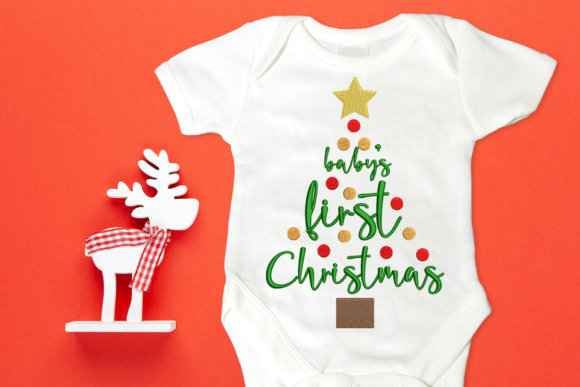
- Release a limited holiday embroidery “Baby’s First Christmas” set with the angel on a onesie or bib. This taps the sentimental gift market.
- Create a seasonal embroidery ornament kit: pre-cut felt, an angel stitch file, and a twine hanger. These sell well at craft fairs and in stocking stuffer guides.
Throughout the assortment, the angel remains the visual thread. This builds recognition, simplifies inventory of thread colors, and makes restocking predictable. Because the design reads as both elegant in the kitchen and sweet enough for a nursery, you avoid the pitfall of looking like a one-note shop.
Final Stitch-Out Verdict For Seasonal Product Lines
The Gingerbread Christmas Angel earns a strong place in my holiday embroidery rotation. It is not a design for every single application, but for the products that matter most during the Christmas rush—kitchen towels, pillows, totes, and ornaments—it performs beautifully. The angel’s warmth makes it a reliable embroidery file for sellers who want to trigger buyer emotion quickly. It is distinct enough to anchor a brand look, flexible enough to fit multiple product types, and timeless enough to pull out of the digital library year after year. If you are building a Christmas collection that values craftsmanship over gimmicks, this one deserves a sample stitch-out on your workbench tonight.